News
Discoveries, treasures found or stolen, treasure hunts starting or ending: the news, checked and sourced.
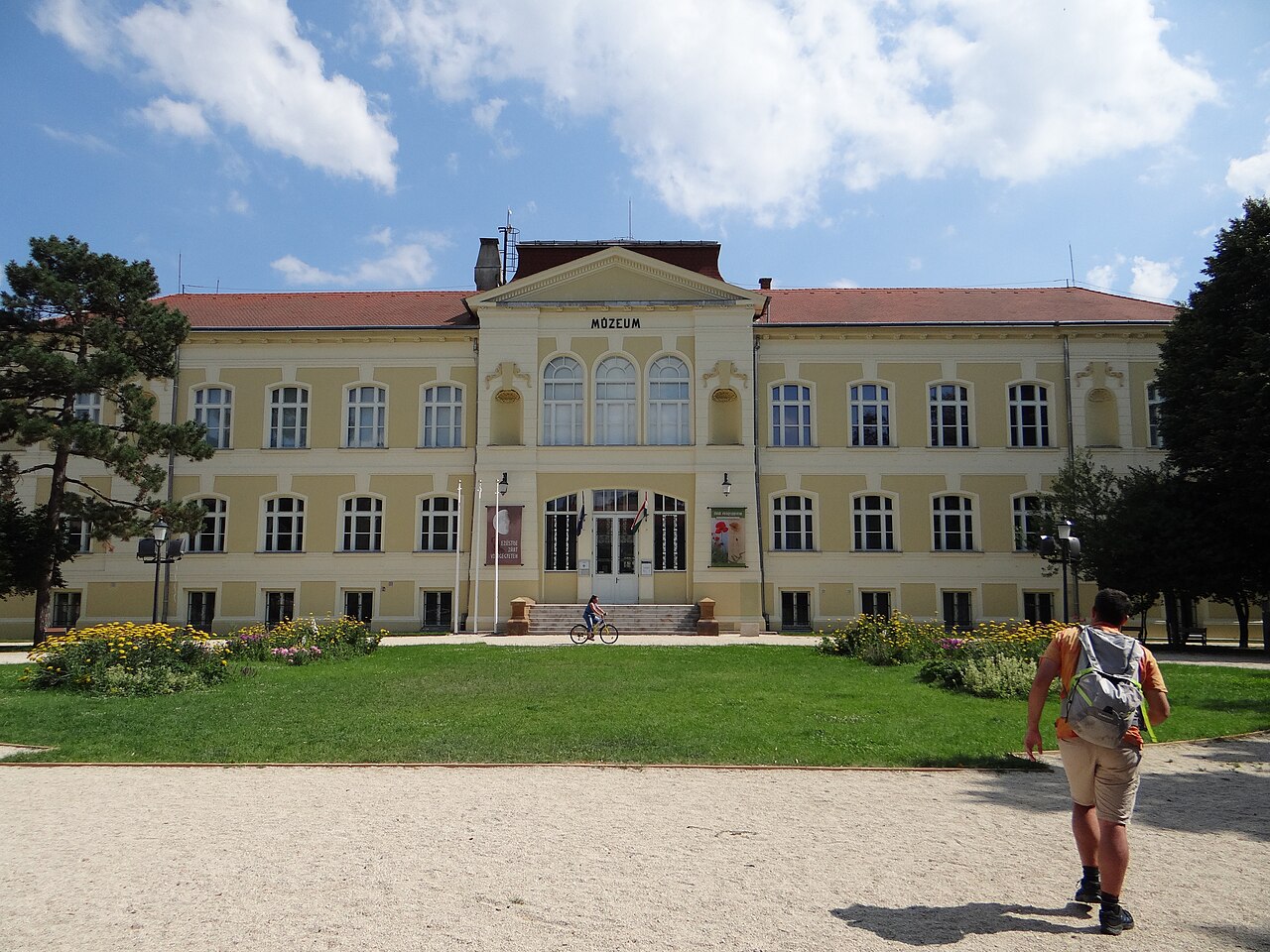 Hungary: 208 Celtic silver coins found 40 cm underground, beneath a future power substation in SzombathelyIn western Hungary, archaeologists digging the site of a new power substation in Szombathely uncovered a hoard of 208 Celtic silver coins, more than 2 kilos of tetradrachms from the 2nd or 1st century BC. According to the Hungarian press, the country had seen nothing comparable since the late 1960s.
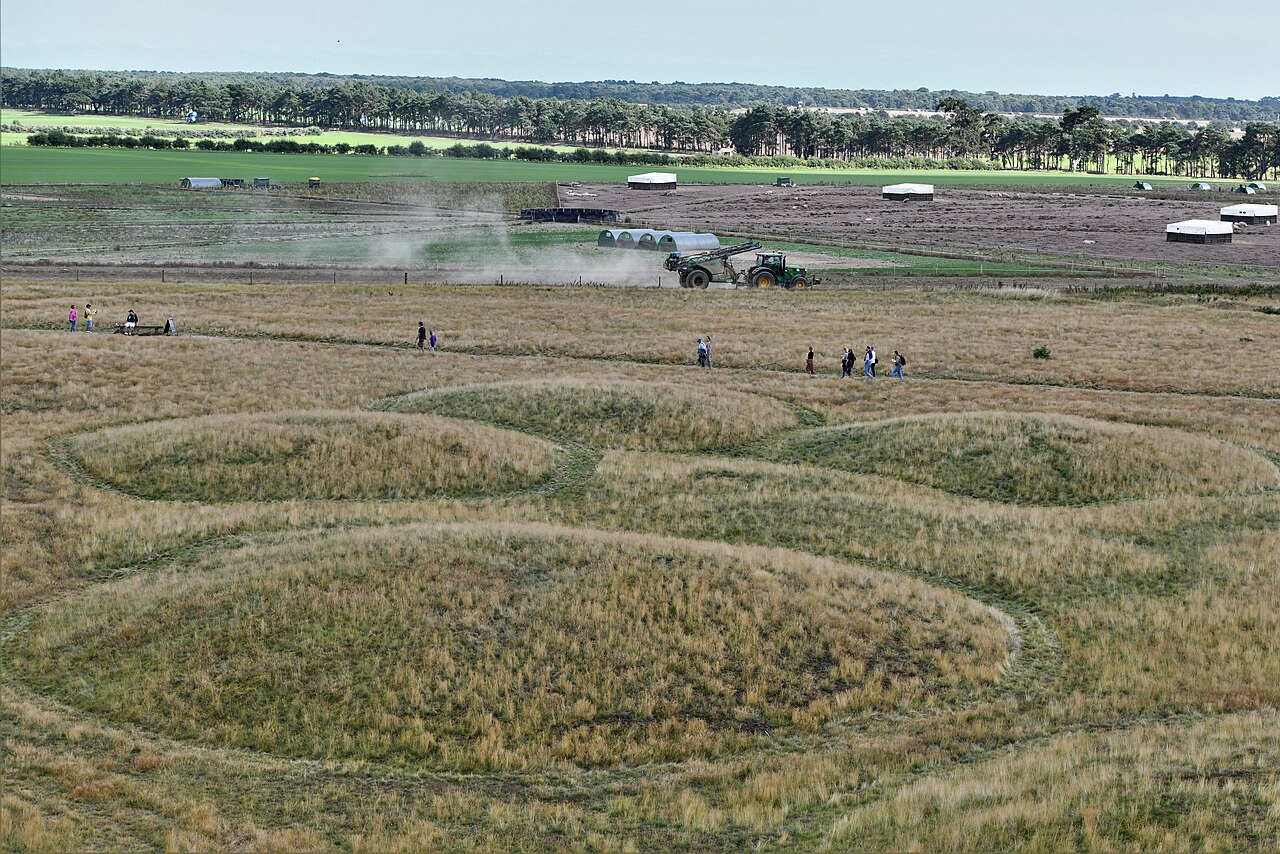 Sutton Hoo: a new Anglo-Saxon grave, with brooch, knife and tweezers, found far from the royal moundsAt Sutton Hoo, the site of the famous Anglo-Saxon ship burial, the Time Team crew and the National Trust excavated a cemetery away from the royal mounds in 2025. They found a "sand body" with its grave goods, and possibly a second burial beneath it. The results were revealed in November 2026.
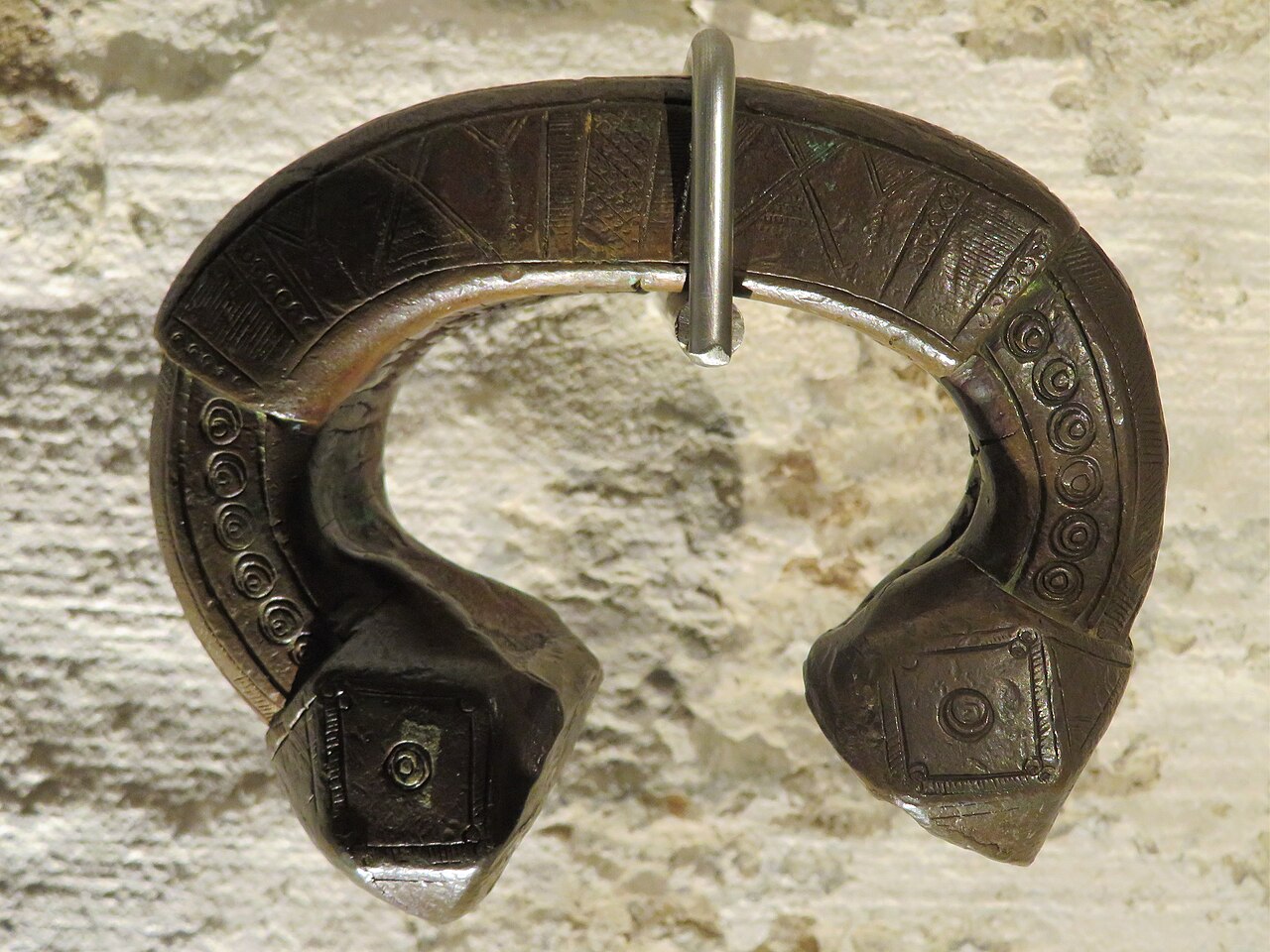 Havmanden wreck: a luxury shoe and manillas on the Danish ship of the 1683 mutinyOff Gothenburg, divers from the National Museum of Denmark studied the wreck of the Havmanden, a slave ship sunk in 1683 after the most violent mutiny in Danish maritime history. They found a man's shoe of rare quality, perhaps that of the governor thrown overboard, and two manillas, a currency of the slave trade.
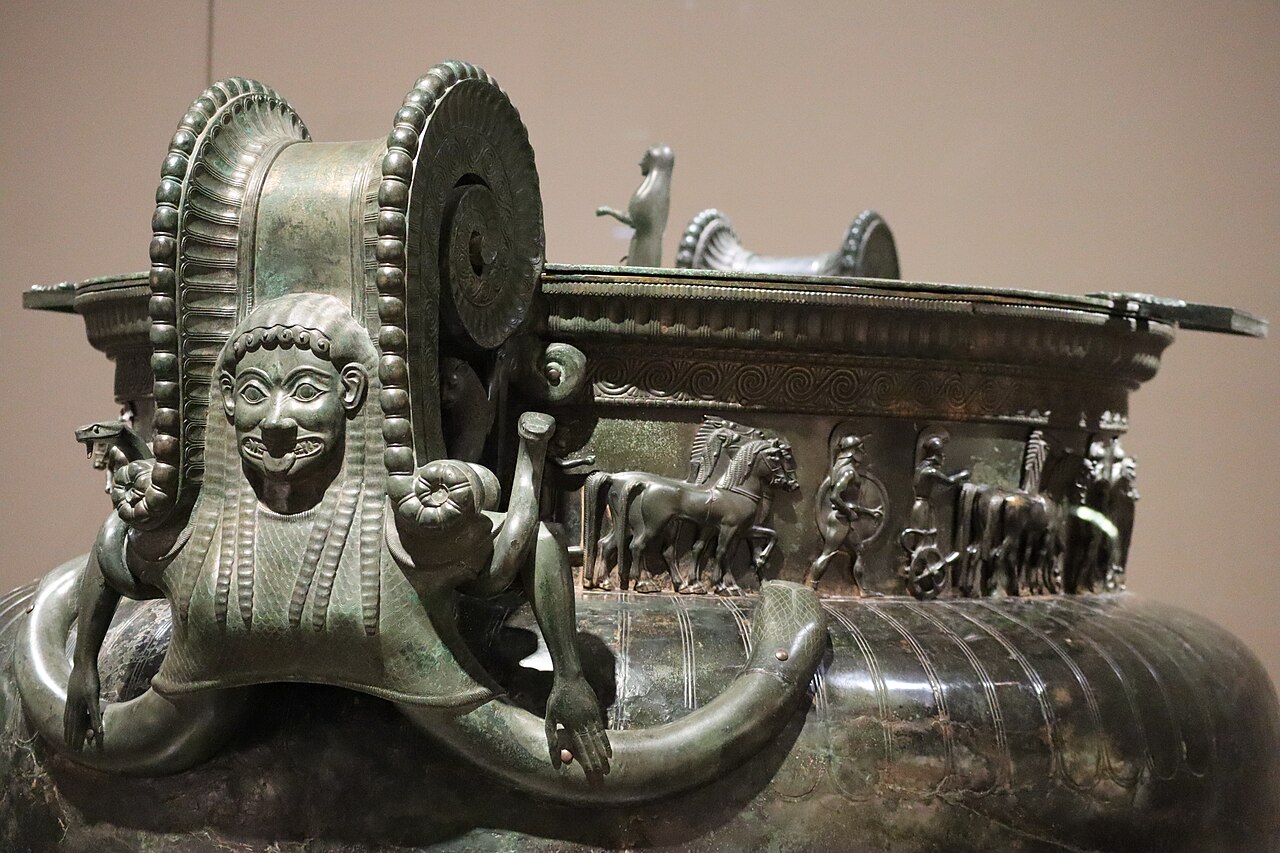 Vix treasure: a chip of red coral on the krater, perhaps "Medusa's blood", and the figurine's hand foundIn the soil from the 1953 excavation, put back and then sieved again by Inrap, archaeologist Bastien Dubuis recovered some 2,000 fragments. Among them: a chip of coral that fits the handles of the famous Vix krater, and the fingers of the figurine on its lid.
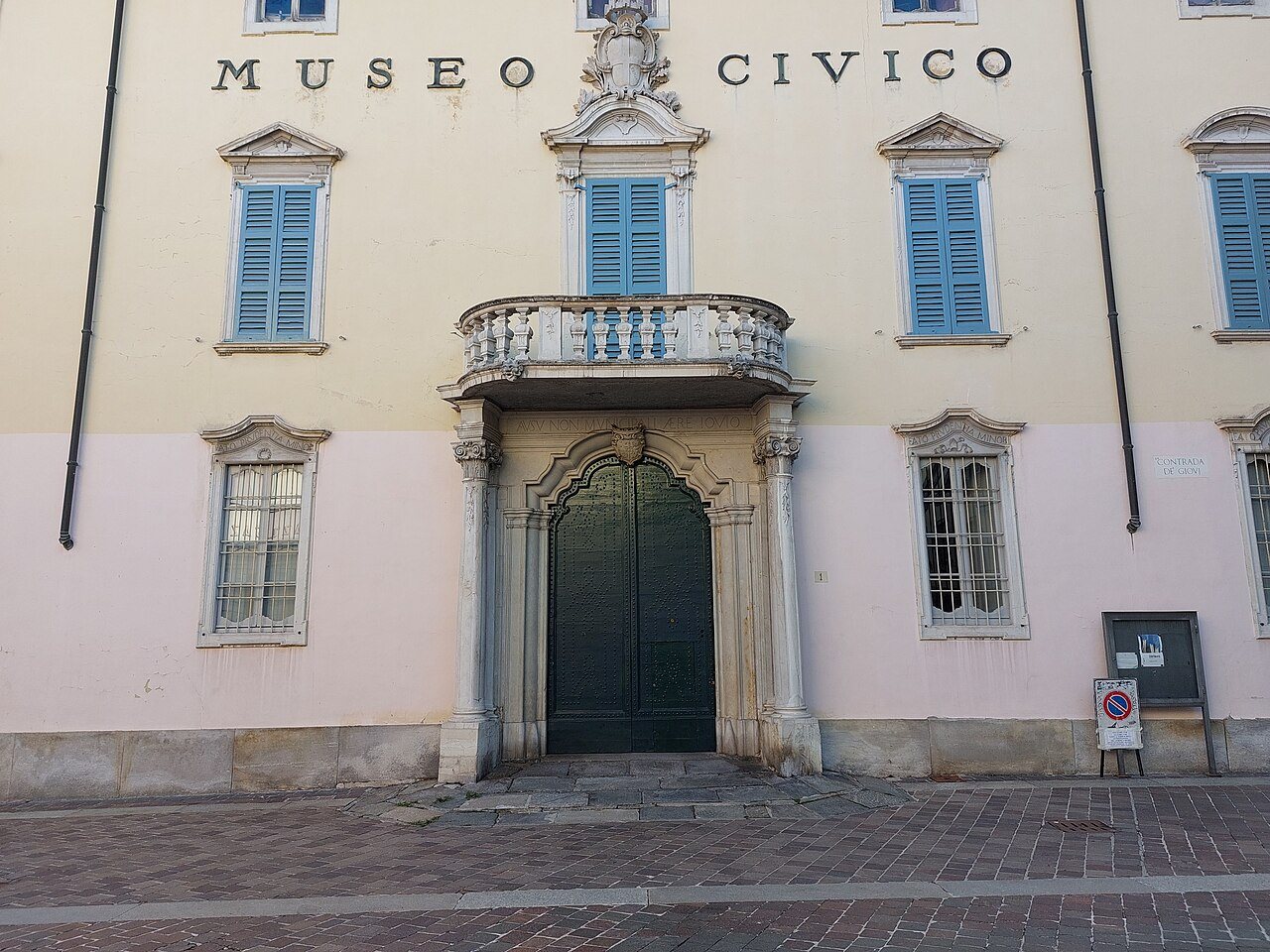 Como: the treasure of a thousand Roman gold coins found under a theatre will finally go on show from 3 DecemberFound in 2018 in a stone jar beneath the former Cressoni theatre, the Como treasure, a thousand gold solidi buried around 472, is getting a permanent room at the Paolo Giovio Archaeological Museum. Opening on 3 December, open to the public from the 4th.
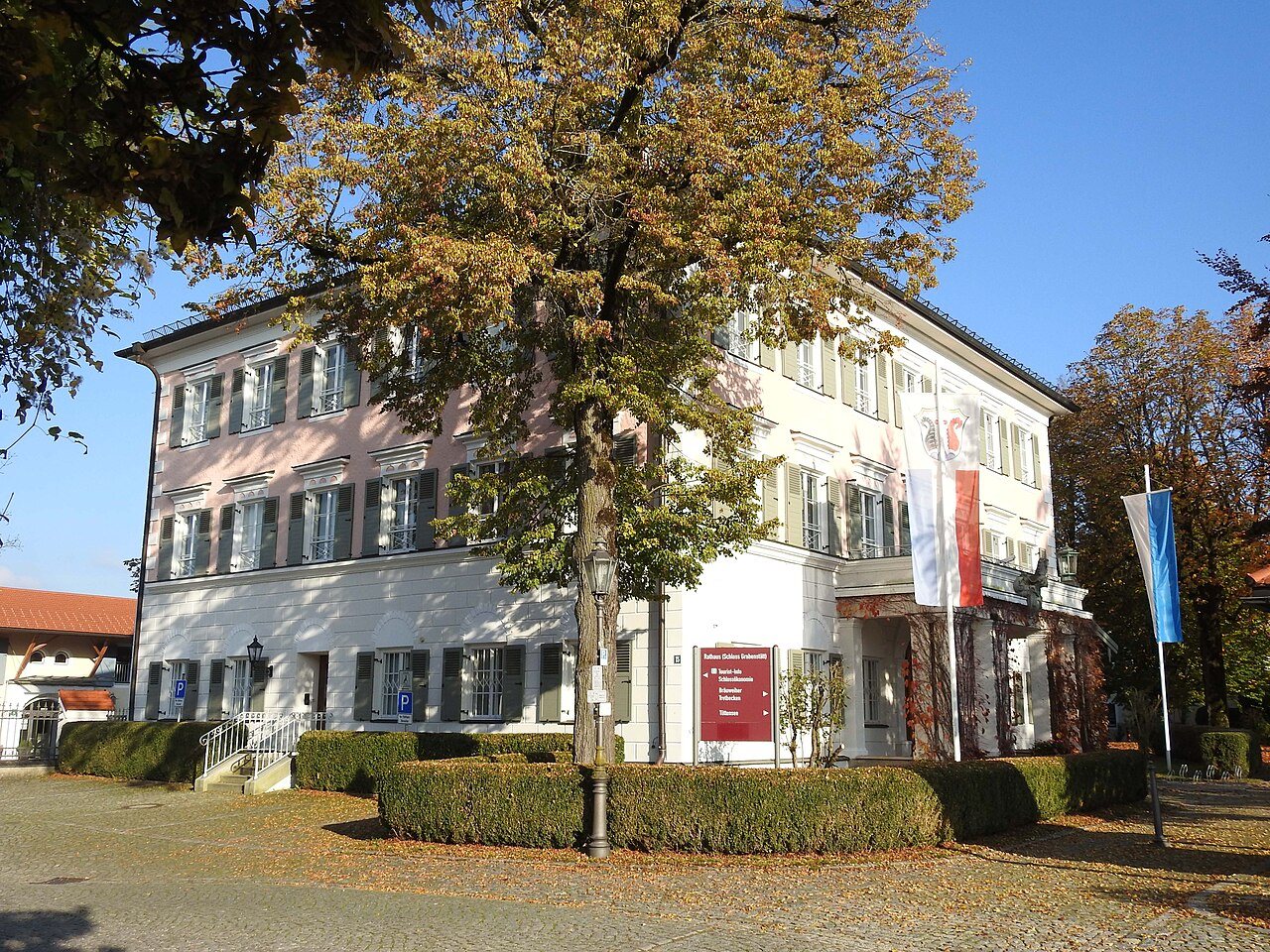 Bavaria: 52 bronze rings, a unique sword mould, and the law that makes every find public propertyA detectorist reported a Bronze Age hoard in a Chiemgau field in 2024; archaeologists found the mould of a 3,000-year-old sword in Lower Franconia. Presented in Munich on 11 November, these finds illustrate the Schatzregal, the Bavarian rule that has made finds state property since 2023.
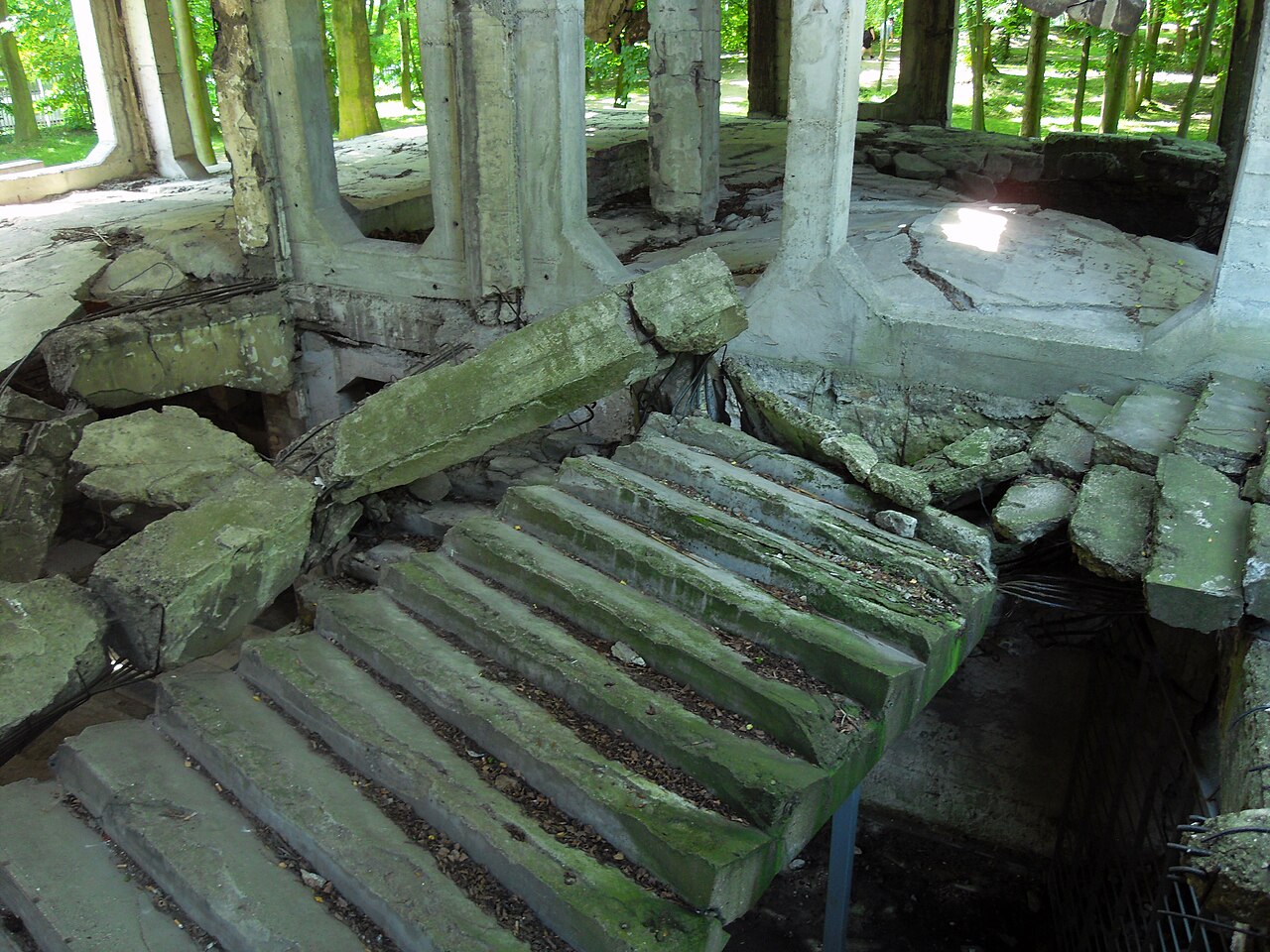 Poland: at Westerplatte, archaeologists uncover the ground the defenders of 1939 walked onThis is where the first shots of the Second World War were fired, on 1 September 1939. On 13 November, the Museum of the Second World War in Gdańsk presented the results of its thirteenth excavation season: the remains of the barracks, more than 2,700 objects, 28,000 munitions, and human remains that may be those of a Polish soldier.
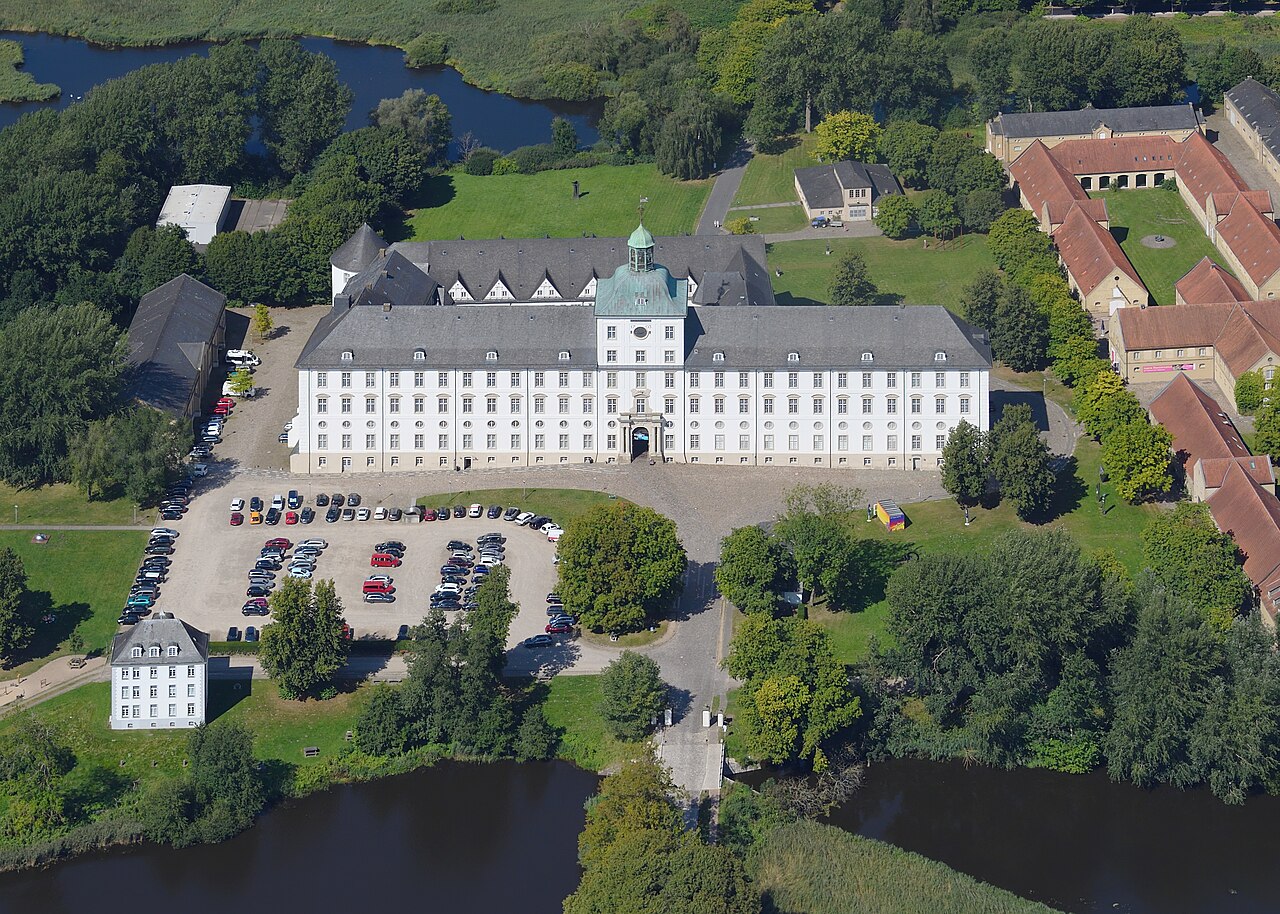 Germany: five Roman bronze vessels, buried for 1,500 years, go on show for the first time in SchleswigSpotted in late 2025 by Danish metal detectorists near Schaalby, in northern Germany, bronze cauldrons from the Roman world were lifted in a single block of soil, CT-scanned and then freed in the workshop. Archaeologists expected three; there are five, including a strainer. They have just been shown to the public for the first time.
 Andorra: archaeologists believe they have found Bragafolls castle, lost for a thousand yearsAccording to tradition, the people of Andorra rose up against a castle built to subdue them and destroyed it. No one knew where it stood. This autumn's excavations on the Roc de l'Àliga, in Sant Julià de Lòria, strengthen the hypothesis that it is Bragafolls castle: a tower, a curtain wall and a path have come to light.
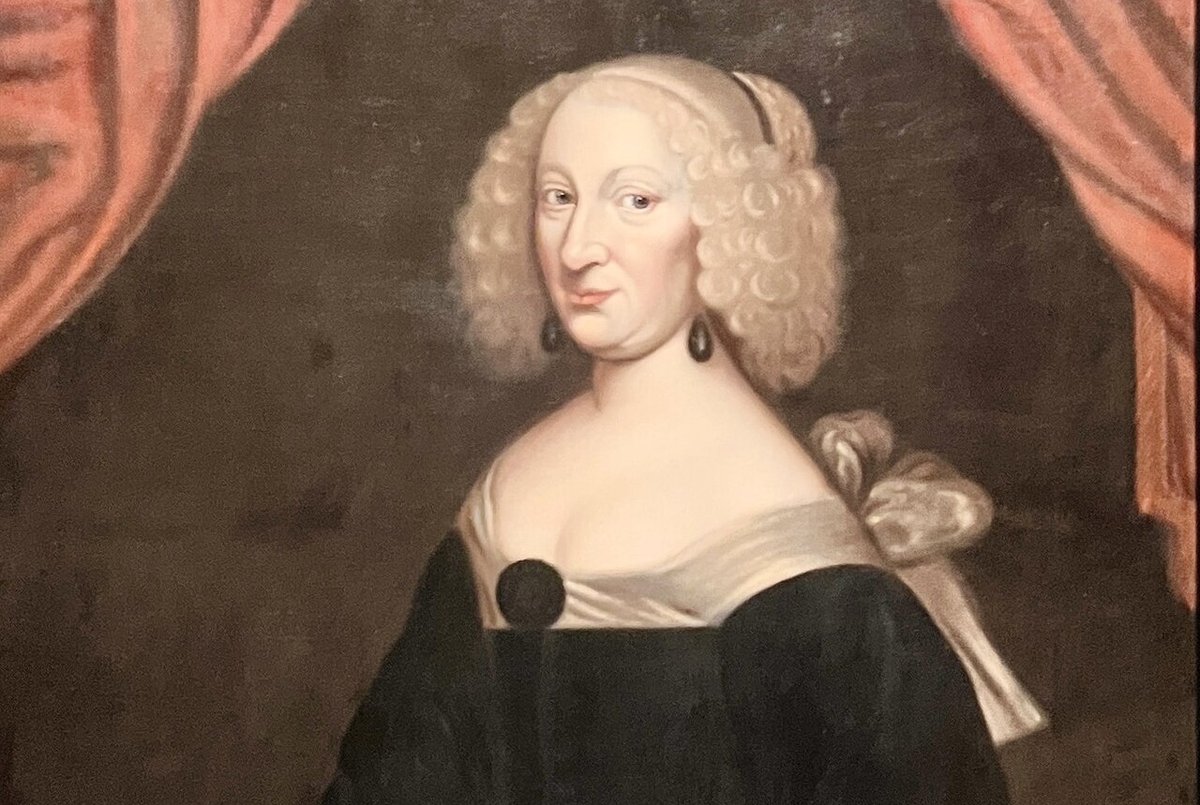 Estonia: a Swedish queen, a sword and a piece of printing type emerge from a Tartu digBeneath the future Siuru cultural centre in the heart of Tartu, archaeologists uncovered in November a stove tile bearing the portrait of Queen Maria Eleonora of Sweden, a sword, a medieval knife and a tiny piece of printing type. The type may come from the very first printing press of the University of Tartu, founded in 1632.
 Epidaurus: the sanctuary of Asclepius long sought in the ancient city found 20 metres from the Small TheatreArchaeologists from the University of Athens have identified, in the heart of the ancient city of Epidaurus, the sanctuary of Asclepius described by the traveller Pausanias in the second century. It lies about twenty metres from the Small Theatre. Beneath the famous Tholos of the great sanctuary, they have also uncovered a building from the late seventh century BC, which pushes the cult of the healing god back by several decades.
 Scotland: a gilded bronze leg found in a bog reveals a giant statue of Emperor Antoninus PiusFound in 1820 in a bog in southern Scotland, a gilded bronze leg was thought for two centuries to be loot carried off from further south. Researchers at National Museums Scotland now believe it comes from a huge equestrian statue of Emperor Antoninus Pius that stood in Scotland itself. It is the star of an exhibition opening this Saturday, 14 November 2026, in Edinburgh.
 Sanxingdui and Jinsha: the gold and bronze treasures of ancient China arrive at the Musée Guimet on 18 NovemberGold masks, bronze heads and sun birds: from 18 November 2026 to 1 March 2027, the Musée Guimet in Paris presents the treasures of Sanxingdui and Jinsha, two Sichuan sites that transformed the history of the Chinese Bronze Age. Most of the objects are leaving China for the first time.
 Montans treasure theft: four people charged, but the 37 Roman gold coins are still missingStolen in July from the Montans archaeological centre in the Tarn, 37 gold coins bearing the faces of Augustus, Tiberius, Caligula and Claudius have still not been found. Four suspects were charged on 6 November, in an investigation that links this theft to that of 27 jewels from the Lalique Museum in Alsace.
 The Pétermonostora enamels return to the Meuse country: an exhibition in Brussels from 12 NovemberTwo large twelfth-century enamel plaques, found in 2013 in the ruins of a Hungarian monastery destroyed by the Mongols, go on show from this Thursday, 12 November 2026, at the Royal Museums of Art and History in Brussels. An industrial CT scan revealed hidden inscriptions pointing to where they were made: the abbey of Sint-Truiden, in Belgium.
 Isle of Man: a Viking treasure from around AD 900, sword and brooches, on display at the Manx Museum from todayA sword inlaid with silver, three bronze brooches, a merchant's weights and scales: found in February by a metal detectorist, these Viking objects, more than 1,100 years old, have been declared Treasure on the Isle of Man. A selection goes on show this Wednesday, 11 November 2026, in the Viking gallery of the Manx Museum in Douglas.
 Cyprus: two Byzantine icons from Asinou, stolen after the 1974 invasion, returned after fifty yearsSt Matthew and St Mark are back. Painted in the fourteenth century for the church at Asinou, in the Troodos mountains, these two icons vanished from Kyrenia after 1974. Traced to the United Kingdom, they have been returned free of charge to the Bishopric of Morphou. Four panels from the same series are still missing.
 Horbourg-Wihr: fifth-century warrior graves, with their horses, their weapons and their garnet-set goldNear Colmar, a rescue excavation by Inrap has uncovered a small cemetery from the second half of the fifth century, laid out over the ruins of a Gallo-Roman district. Two warriors lay there with their swords, their shields and fittings of gold and silver cloisonné set with garnets; two horses had been buried beside them. A rare find, from the moment when the Western Roman Empire was fading away along the Rhine.
 An 800-year-old Limoges cross found in a ruined church in Hungary, together with chain mailOn the shores of Lake Balaton, Hungarian archaeologists discovered, the day before their dig was due to end, the remains of a gilded cross made in Limoges in the thirteenth century, along with fragments of armour hidden in the sacristy. A French treasure that travelled more than 1,200 kilometres from home, and a reminder of how far the goldsmiths of Limoges reached across medieval Europe.
 Cap Corse: a late antique house cut into the rock, a stone's throw from an ancient landing stageAt Meria, on the northern tip of Corsica, Inrap has uncovered a house some 1,600 years old, partly dug into the schist, about thirty metres from a landing stage of the same period discovered in 2025. Two excavations in two years are gradually revealing a small, forgotten coastal settlement, perhaps the one that ancient geographers called Clunium.
 Cerveteri: Etruscan tombs with carved thrones re-emerge, along with a vase the looters missedNear Rome, in the Etruscan necropolis of Monte Abatone, collapsed tombs have been reopened as a matter of urgency. They concealed thrones carved into the rock, walls painted red and an almost intact vase that the looters had left behind. A modest treasure, but a fine lesson: a tomb is never completely emptied.
 280 prehistoric engravings hidden in plain sight of tourists: the Font Major cave reveals its treasureIn Catalonia, two and a half hours' drive from Perpignan, a cave visited for decades was hiding 280 Ice Age engravings, including 55 animals and a bear, which is very rare. Published in November 2026, the study places the Cova de la Font Major among the great sanctuaries of Palaeolithic art in the Mediterranean.
 Autun: gold jewellery, purple cloth and a diatreta vase, the treasures of the Saint-Pierre-l'Estrier cemeteryBeneath a district of Autun, more than 230 graves from the late Roman Empire have yielded gold jewellery, a cloth woven with gold thread, lead coffins and a unique glass vessel that once held ambergris. Transferred by the State to the town in 2026, these treasures are awaiting their future museum.
 Champigny-sur-Marne: a 10-tonne menhir, engraved and perhaps painted, discovered on the outskirts of ParisAhead of a housing development, Inrap has unearthed at Champigny-sur-Marne (Val-de-Marne) a Neolithic necropolis some 6,500 years old, with eleven graves, around thirty megalithic blocks and a human-shaped menhir weighing nearly ten tonnes. A rare discovery in northern France.
 San José galleon: a handful of objects raised, suspicions of looting and 10 billion dollars at stakeSunk in 1708 off Cartagena, the San José is said to be the richest shipwreck in the world. A year after its first objects were brought to the surface, Colombia faces accusations of looting, two international arbitrations and claims from Spain and Bolivia. What we really know.
 Silesia: the moat of a Napoleonic palace gives up ornaments thrown into it in 1945At Pielaszkowice, formerly Pläswitz, where Napoleon signed an armistice in 1813, archaeologists and enthusiasts are clearing the silted-up moat of a ruined palace. After a Prussian cuirass, they have found two large ornaments, probably thrown out of the windows when the Red Army arrived.
 Pompeii: a cupboard left shut since 79, with its amulets and 38 coinsIn a house on the Via dell'Abbondanza, Pompeii's archaeologists have found a cupboard that no one had opened since the eruption of Vesuvius: a necklace of 24 children's amulets, a small treasure of 38 coins in a woven basket, toilet articles and even two wood mice.
 Kazakhstan: a Saka gold bear missed by the looters of an Almaty kurganLooted in antiquity, an Iron Age burial mound in Almaty has nevertheless kept a unique piece: a gold figurine of a bear, standing and holding a vessel, probably sewn onto a ceremonial headdress. A first for Kazakhstan, announced on 5 November 2026.
 Christmas treasure hunts 2026: where to play in France this winterChristmas “sparks” hidden in 57 towns and villages in Alsace, from Colmar to the Sundgau, lost stars in the Drôme, treasures trapped in ice at Val-d'Isère, a corsairs' treasure in Saint-Jean-de-Luz: here are the 2026 Christmas treasure hunts checked by the Atlas, with their dates, plus the major end-of-year hunts.
 Hungary: a 3,000-year-old treasure on the battlefield of MezőkeresztesArchaeologists were searching for traces of a battle fought in 1596. A volunteer's detector signalled something quite different: a bronze vessel and spiral bracelets buried at the end of the Bronze Age, more than three thousand years ago. The Hungarian National Museum announced it in early November 2026.
 Wales: the combination padlock from a 1583 shipwreck finally openedFound on Margam beach together with a treasure of gold and silver coins, an Elizabethan combination padlock had kept its code for more than four centuries. Welsh researchers read it with a scanner, without touching it: “ANCE”. It remains to be seen what these four letters meant.
 Gold & Crystal: the $500,000 treasure hunt starts on 9 NovemberFifteen puzzles, a chest buried somewhere in the Caribbean, gold coins and a crystal skull: the treasure hunt based on the game Assassin's Creed Black Flag Resynced opens on Monday 9 November. What you need to know before you start.
 L'Écho du Temps: an online treasure hunt for a Louis d'orA token hidden somewhere in France, 26 cards to decipher and a genuine Louis d'or from 1693 as the prize: the L'Écho du Temps treasure hunt has opened registrations and begins on 1 December 2026 at 12 noon.
 La Quête des Pommes d'Or: the treasure found near TenceAfter 1,168 days of searching, the chest of La Quête des Pommes d'Or was dug up on 5 September 2026 near Tence, in Haute-Loire, by a team of six players. A look back at a regional hunt inspired by the labours of Hercules.
 A Saint Olaf coin in the Mørstad Viking hoardAmong the 5,500 or so coins in the largest Viking hoard ever found in Norway, archaeologists have identified an extremely rare coin of King Olaf Haraldsson, who became Saint Olaf. It will be on display in Oslo from 20 November 2026.
 The Kekova wreck: the world's oldest shipwreck is 4,700 years oldOff the Turkish coast, some thirty Bronze Age jars lie 30 metres down. Announced on 14 October 2026, the Kekova wreck is said to be the oldest known in the world, a title that Guinness World Records has just granted it.
 Camogli's “ghost wreck” found again, 67 years after its discoverySpotted in 1959 near Portofino, then lost from view: a Roman wreck laden with wine amphorae has been found again by divers from the Genoa Carabinieri, at a depth of about 45 metres. The Superintendency of Liguria announced it on 22 October 2026.
 Gotland: 45 Roman denarii and a gold ring found on a military baseAhead of the expansion of the Gotland Regiment, in Sweden, archaeologists have unearthed a hoard of 45 Roman silver denarii and a gold ring, probably buried around 450. Two of the coins are said to be forgeries, probably made in what is now Ukraine.
 Metal detectors: what French bill no. 3221 proposesTabled at the Assemblée nationale on 6 October 2026, bill no. 3221 seeks to create “recreational detecting” on simple declaration and to revise the ownership of found objects. The bill has not been adopted: here is what it proposes, what the current law says and the arguments on each side.
 The Tiversk treasure: 2 kg of medieval silver found in RussiaIn July 2026, archaeologists from the Kunstkamera unearthed a hoard of more than two kilograms of silver jewellery in a medieval fortress in the Leningrad region. The finds include an early tenth-century dirham and two Swedish bracteates, of which only two other examples were previously known.
 Mørstad Viking hoard: Norway smashes its coin recordNear Rena, in eastern Norway, two detectorists unearthed in spring 2026 the largest Viking coin hoard ever found in the country: 2,970 silver coins when it was announced, around 5,500 according to the counts reported in October. Buried around 1047, it sheds light on a pivotal period, without, however, dethroning the Swedish or English giants.
 The Louvre heist, one year on: where are the Crown Jewels?On 19 October 2025, a gang stole eight of the Crown Jewels from the Louvre's Galerie d'Apollon in a matter of minutes. A year later, four suspects have been charged and the gallery has reopened without its jewels, but the loot, estimated at 88 million euros, is still nowhere to be found.
 The Borsum Roman hoard: 450 silver coins and a lootingNear Hildesheim, in Lower Saxony, a Roman hoard of around 450 silver coins, ingots and gold objects was officially excavated in 2025. Dug up without authorisation as early as 2017, it shows what research loses when a treasure is torn from the ground.
 10 treasures to see in France this winter: our 2026-2027 selectionFrom the Gaulish gold of Toulouse to the Great Cameo in Paris, by way of the Roman silverware of Vienne and the relics of Amiens, ten treasures await you in museums and churches open this winter. Here is where to see them and how to plan your visit, based on the official websites of each venue.
 Treasure found in France: who does it belong to? What the law saysFinding a treasure does not automatically make you its owner. Between the Code civil, the Code du patrimoine and the 2016 reform, here is what the official texts provide for, and the right steps to take.