· Atlas des Trésors
Como: the treasure of a thousand Roman gold coins found under a theatre will finally go on show from 3 December
Found in 2018 in a stone jar beneath the former Cressoni theatre, the Como treasure, a thousand gold solidi buried around 472, is getting a permanent room at the Paolo Giovio Archaeological Museum. Opening on 3 December, open to the public from the 4th.
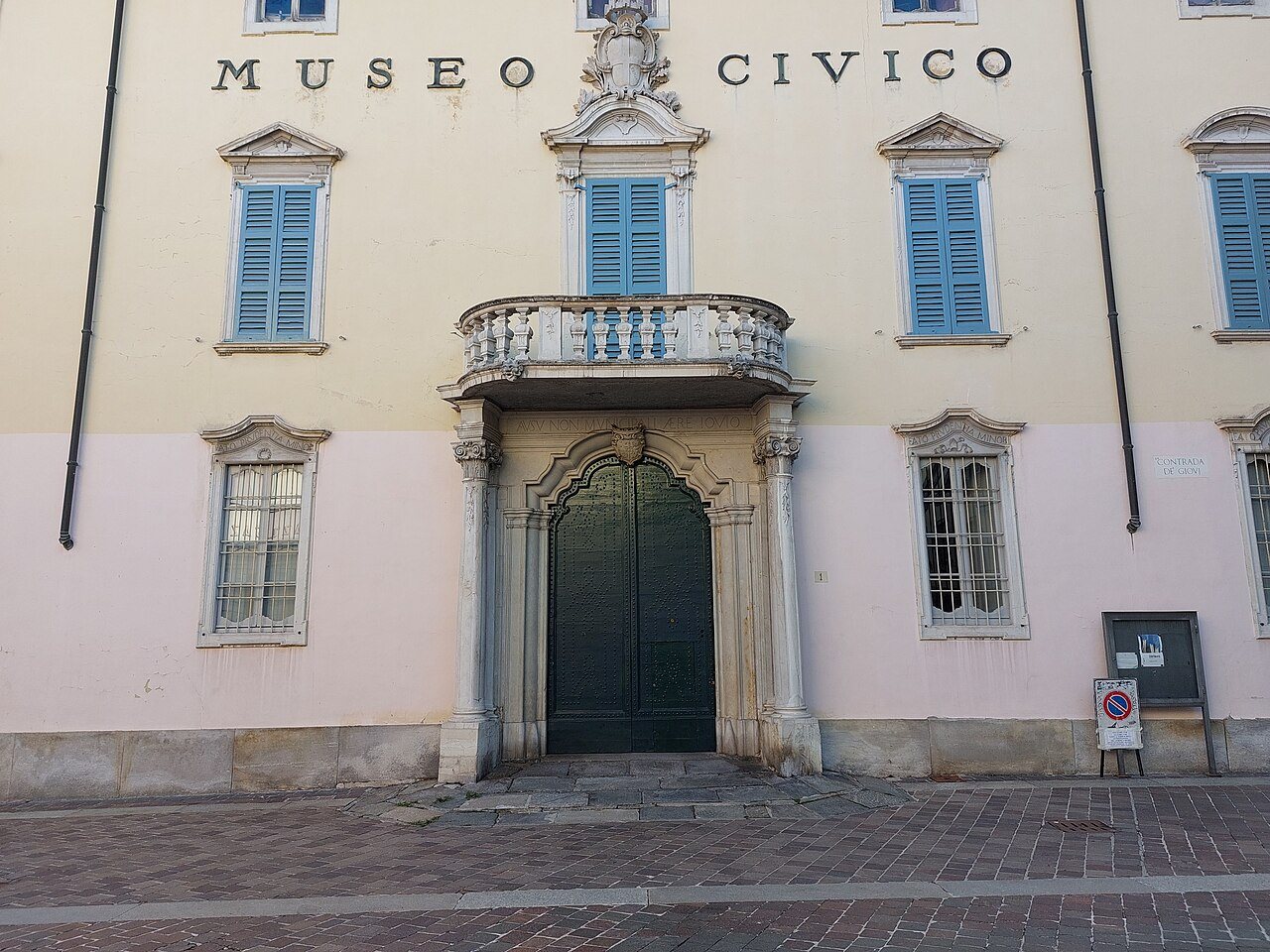
Eight years after its discovery, the Como treasure is finally going on public display. The city of Como, in Lombardy, and its civic museums have set the date: the new permanent room devoted to the treasure, in the Oratorio delle Orfanelle of the Paolo Giovio Archaeological Museum, will be inaugurated on 3 December 2026 and open to visitors from 4 December.
A stone jar under a former theatre
It all began on a Wednesday in September 2018. Renovation work was turning the former Cressoni theatre, on Via Diaz in central Como, into housing. Archaeologists from the Soprintendenza, the state heritage service, were monitoring the site. In a pit, they uncovered an unusual container: a handled jar of soapstone (pietra ollare), a soft rock from the central Alps, rather than the usual terracotta. It stood almost upright, and it was full of gold.
Italy's culture minister at the time, Alberto Bonisoli, called the find "epochal" and said the treasure should stay in Como, with the people who live there.
First 300, then 1,000 coins
The first announcements spoke of about 300 coins. Once the jar had been carefully emptied in the laboratory, the count rose to a thousand solidi, the gold coins of late antiquity, each weighing about 4.5 grams. The jar also held a fragment of a gold bar, three earrings and three bezel rings.
The coins bear the names of a series of 5th-century emperors, including Honorius, Arcadius, Theodosius, Valentinian III, Majorian, Libius Severus, Anthemius and Leo I. According to the study presented in 2022, the great majority come from the Milan mint. The latest date from 472-474, which places the burial around 472.
Hidden during a civil war
The year 472 was one of the most troubled in the Western Empire. The general Ricimer, who controlled northern Italy, broke with the emperor Anthemius, his father-in-law, and besieged Rome; Anthemius was killed and Olybrius proclaimed in his place. Researchers think the treasure's owner was a wealthy person, perhaps of senatorial rank, or an official handling public funds. The find spot, close to the forum of ancient Novum Comum, may even have housed a public treasury. These are only hypotheses. One thing is certain: the owner never came back for the gold.
A treasure in court
The treasure also has a legal history. In Italy, whoever discovers an archaeological find can receive a reward from the state. The Soprintendenza had set it at almost €370,000. The company that owned the building, and had commissioned the work, challenged the amount. In January 2024 Italy's Council of State ruled in its favour: it is indeed the "discoverer", and the reward can go up to half of the estimated value, not a quarter.
In France the rules are different: our guide I found a treasure: what does French law say? explains what applies.
An opening postponed several times
The exhibition was first expected for Christmas 2025, then for spring 2026. The treasure was formally handed over on 3 September; a final lighting adjustment to a display case, requested by the Soprintendenza, remained. The date is now fixed.
The room will show a selection of rare coins, the soapstone jar that held the thousand solidi, and other finds from the site. The display will tell the story of the discovery, the excavation and several centuries of Como's history. In 2022 it was planned that only a small part of the treasure, around fifty coins, would return to the Como museum. For those who cannot make the trip, the Agenzia numismatica italiana has published photos of every coin online.
Where to see it
Paolo Giovio Archaeological Museum, Como (Italy), Oratorio delle Orfanelle: from 4 December 2026.
The solidus on the Atlas
The coin of the Como treasure is the solidus, the gold coin created by Constantine, which you can spin in 3D in our Gold coins section. The same emperors turn up in other great hoards: the Hoxne Hoard, in England, whose solidi run up to Honorius, and, in France, the Gourdon treasure, hidden in the early 6th century with about a hundred gold coins. All our entries are on the treasure map.
Sources
- EspansioneTv: Finalmente si svela il Tesoro di Como, il 3 dicembre l'inaugurazione della mostra delle monete d'oro (11 November 2026)
- AGI: monete d'oro a Como, la scoperta (10 September 2018)
- EspansioneTv: Ex Cressoni, sono mille le monete del tesoro di Como (3 October 2018)
- Il Giorno: I segreti e i simboli delle mille monete d'oro (14 July 2022)
- AGI: Tesoro di Como, premio agli autori della scoperta : la décision du Conseil d'État (31 January 2024)
 Hungary: 208 Celtic silver coins found 40 cm underground, beneath a future power substation in Szombathely
 Sutton Hoo: a new Anglo-Saxon grave, with brooch, knife and tweezers, found far from the royal mounds
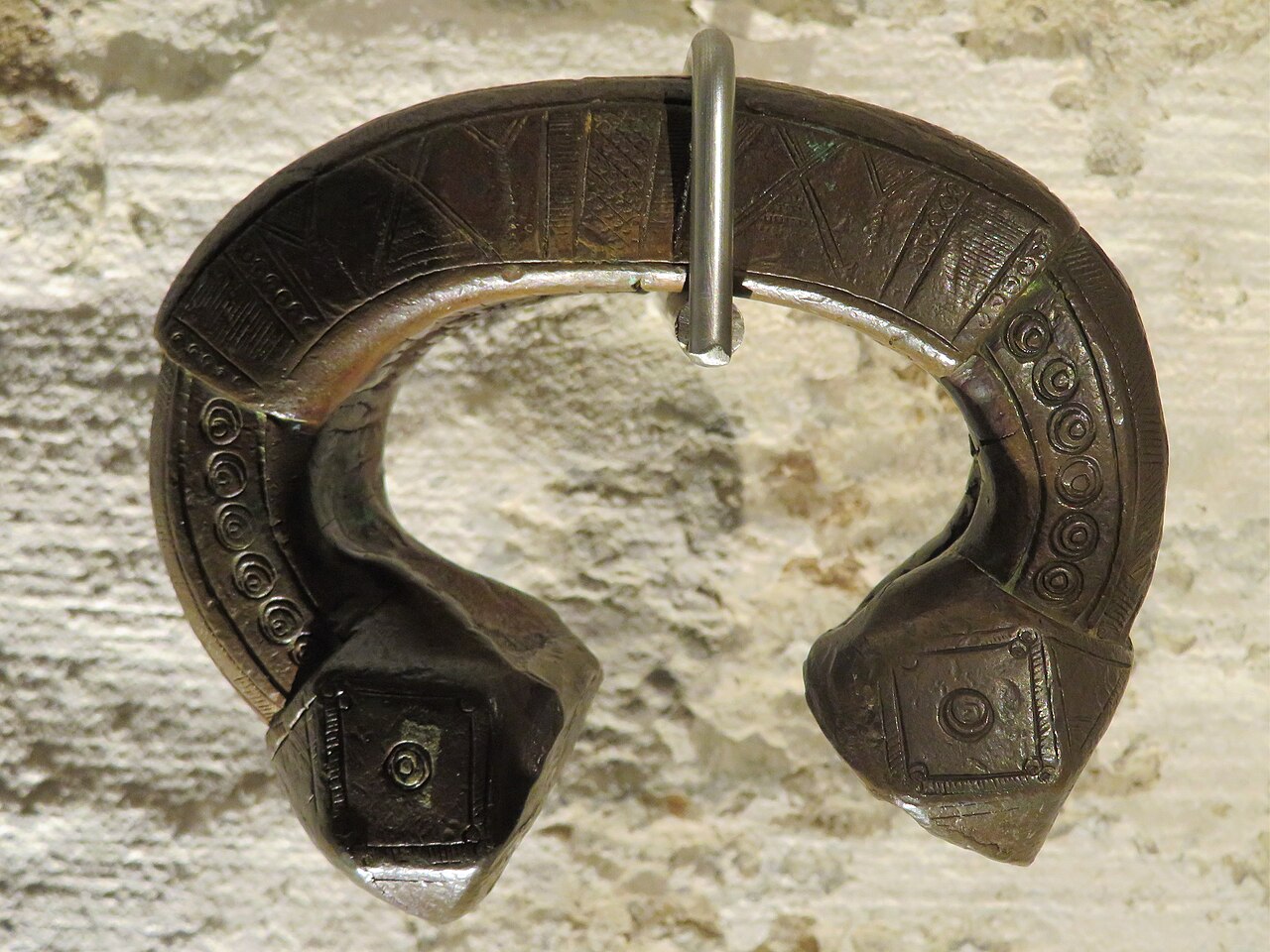 Havmanden wreck: a luxury shoe and manillas on the Danish ship of the 1683 mutiny