· Atlas des Trésors
Hungary: 208 Celtic silver coins found 40 cm underground, beneath a future power substation in Szombathely
In western Hungary, archaeologists digging the site of a new power substation in Szombathely uncovered a hoard of 208 Celtic silver coins, more than 2 kilos of tetradrachms from the 2nd or 1st century BC. According to the Hungarian press, the country had seen nothing comparable since the late 1960s.
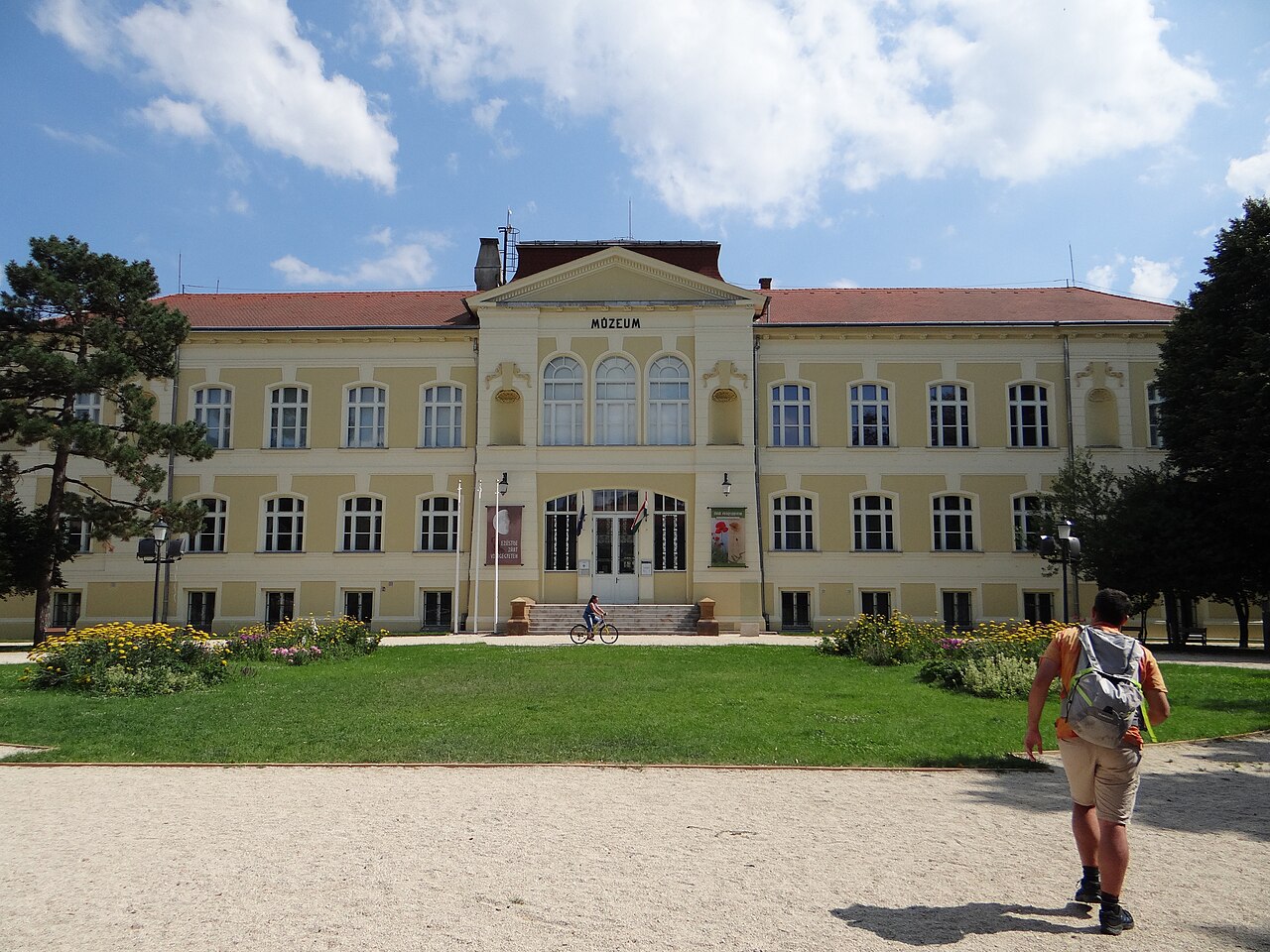
A hoard of 208 Celtic silver coins has been found in Szombathely, in western Hungary, near the Austrian border. It came to light during the preventive excavation of the site of a new power substation built by the energy company E.ON, north of the town. The find was first announced at the end of October; on 17 November 2026, E.ON and the Hungarian press gave more details.
Barely a spade's depth down
The excavations were carried out from 2023 to 2025 by the National Institute of Archaeology, part of the Hungarian National Museum. Archaeologists first spotted a few coins scattered in the soil: ploughing had disturbed the deposit. With the help of a metal detector, they then gradually recovered most of the hoard.
The coins lay 30 to 40 centimetres below the surface, in a pit dug by the Celts; some were still in a small pottery vessel. Together they weigh more than 2 kilos.
Velem-type tetradrachms
The coins are Velem-type tetradrachms, struck at the end of the 2nd century or the beginning of the 1st century BC. The tetradrachm was a large silver coin worth four drachms; the Celts of central Europe imitated it from Greek and Macedonian coinage. According to Arkeonews, these coins may have been struck in the Velem-Szentvid area, a hilltop site about 15 kilometres to the west.
Why they were buried is unknown: they may have been a hidden reserve, or an offering to the gods, a known Celtic practice. Before restoration, the coins were analysed in the laboratory. According to the website Origo, Hungary had not seen such an important coin find since the late 1960s.
7,000 years of history beneath a building site
The hoard is only part of the story. On the site, archaeologists documented nearly 400 features and several thousand finds, from the 5th millennium BC to the early modern period:
- a polished stone adze nearly 7,000 years old, used for clearing forest and woodworking;
- Early Iron Age graves (7th-6th century BC), with a glass bead decorated with a "peacock eye" pattern and vessels placed full of food and drink;
- the two intact stones of a Celtic hand mill, in a sunken building;
- a Roman villa, a farming estate whose main building archaeologists partly traced;
- a fragment of Roman brick bearing the paw print of a dog, perhaps part of an underfloor heating system.
Szombathely is ancient Savaria, one of the oldest towns in Hungary, founded by the Romans in the 1st century.
On show soon
On 21 October 2026, at the substation's opening, the director of the Savaria Museum, Andrea Csapláros, announced that some of the finds would be shown to the public in a temporary exhibition. No date has yet been given.
Celtic coins on the Atlas
The Celts of Gaul also struck coins, in gold: discover the Gaulish stater in our Gold coins section. Hungary holds another great treasure of antiquity, the Seuso Treasure, on display at the Hungarian National Museum in Budapest. Find them on our Hungary page. And if you find old coins in France, read our guide I found a treasure: what does French law say?.
Sources
- Index.hu: Több mint kétezer éves kelta ezüstkincset és római kori leleteket találtak Szombathelyen (17 November 2026)
- Origo: Kelta ezüstérmekincs került elő Szombathelyen (28 October 2026)
- Arkeonews: 208 Celtic Silver Coins Found Just a Shovel's Depth Down (18 November 2026)
- E.ON Hongrie, communiqué: Ezüstkincs egy ásónyomnyira – a múlt titkai az E.ON alállomásánál (17 November 2026)
 Sutton Hoo: a new Anglo-Saxon grave, with brooch, knife and tweezers, found far from the royal mounds
 Havmanden wreck: a luxury shoe and manillas on the Danish ship of the 1683 mutiny
 Vix treasure: a chip of red coral on the krater, perhaps "Medusa's blood", and the figurine's hand found