· Atlas des Trésors
L'Écho du Temps: an online treasure hunt for a Louis d'or
A token hidden somewhere in France, 26 cards to decipher and a genuine Louis d'or from 1693 as the prize: the L'Écho du Temps treasure hunt has opened registrations and begins on 1 December 2026 at 12 noon.

It is one of the treasure hunts of the end of this year. L'Écho du Temps, an online hunt whose treasure is hidden out in the field, opened registrations on 1 November 2026. The game begins on 1 December 2026 at 12 noon.
How it works
The hunt is set in a world of alchemy and time, summed up by its motto: “Time conceals. The echo reveals.” Players explore 26 digital cards, 13 riddles and 13 illustrations, in order to locate a token (contremarque) hidden somewhere in France. According to the official website, it has been waiting for its finder since 1 October 2026. The winner exchanges it for the treasure.
Originally designed around a physical box set, the hunt has become entirely digital, as reported by the specialist website Chasses au trésor on 28 October. The finale, however, really does take place out in the field.
The treasure: a Louis d'or from 1693
The reward is a genuine Louis d'or from the reign of Louis XIV, struck in Lyon in 1693. The hunt's website values it at around €2,500. The exact conditions for awarding the prize are set out in the official rules.
The website gives a detailed description of it: 6.70 g, about 25 mm, gold of 917‰ fineness (that is, 22 carats), grade “EF” (extremely fine), references Duplessy 1440A and Gadoury 252 in the numismatic catalogues. The organisers state that the prize “evolves as the adventure goes on”.
The louis d'or, a coin born in 1640
The louis d'or was created in 1640 under Louis XIII, whose portrait it bears, hence its name. It openly copied the gold coin then most widely circulating in France, the Spanish pistole, taking over its weight (about 6.75 g) and its fineness of 22 carats. It existed in several denominations, from the half-louis to the double, the quadruple and even the ten louis. Under Louis XIV, the coin kept its dimensions, about 25 mm, with the legend “LVD XIIII”. The louis d'or disappeared with the Revolution, replaced by the franc: the 20-franc gold coins struck later under Napoleon and his successors are napoléons, not louis.
How much does it cost?
Registration costs €13, paid once only. A reduced rate is granted to those who solve a first riddle. The website also offers a separate riddle, OBSERVANTIA, which reveals nothing about the main quest. Its answers are validated automatically in order of arrival, and only the first correct answer counts. At the time of writing, its three free registrations had been allocated, and eight of the ten €8 places remained. The website also stated that five searchers were already benefiting from the reduced rate.
The timetable
- 1 October 2026: the token is in place, according to the website.
- 13 October 2026: the prize is unveiled.
- 1 November 2026: registrations open.
- 1 December 2026 at 12 noon: the hunt begins.
What the website does not say (yet)
The home page names no organiser: it refers to terms and conditions, rules and a legal notice. It gives no clue as to the region where the token is located, nor about how the search works, such as whether or not digging is required, or the type of place. Nor does it say what happens if no one finds it. These are precisely the points to read in the rules before paying.
Before you start
As with any paid hunt, read the rules: they say what has to be found, how the prize is awarded and what happens if no one finds it. Our advice on choosing a reputable hunt and searching without breaking any rules is in the guide How to take part in a treasure hunt.
Out in the field, two rules apply to every hunt: never dig on someone's property without their permission, and leave your metal detector at home, because the law regulates it strictly (see Metal detectors in France: what is allowed).
Why a token?
The principle of the token is simple: the treasure itself is not hidden, but an object that serves as proof and that the winner exchanges for the real prize. This avoids leaving a valuable gold coin underground for months, or years, at the mercy of the first passer-by. It is the system made famous by France's longest-running hunt: the token of the Chouette d'or (Golden Owl), a bronze replica of the owl, was dug up only in October 2024, after thirty-one years of searching (see The Chouette d'or: the complete story). If you find something other than the token while searching, an old object for example, the law requires you to declare it: see I have found a treasure: what does the law say?.
The hunt's entry
Dates, area, reward and official link: everything is on the L'Écho du Temps entry in our directory of treasure hunts, updated as the organiser makes announcements.
 Hungary: 208 Celtic silver coins found 40 cm underground, beneath a future power substation in Szombathely
 Sutton Hoo: a new Anglo-Saxon grave, with brooch, knife and tweezers, found far from the royal mounds
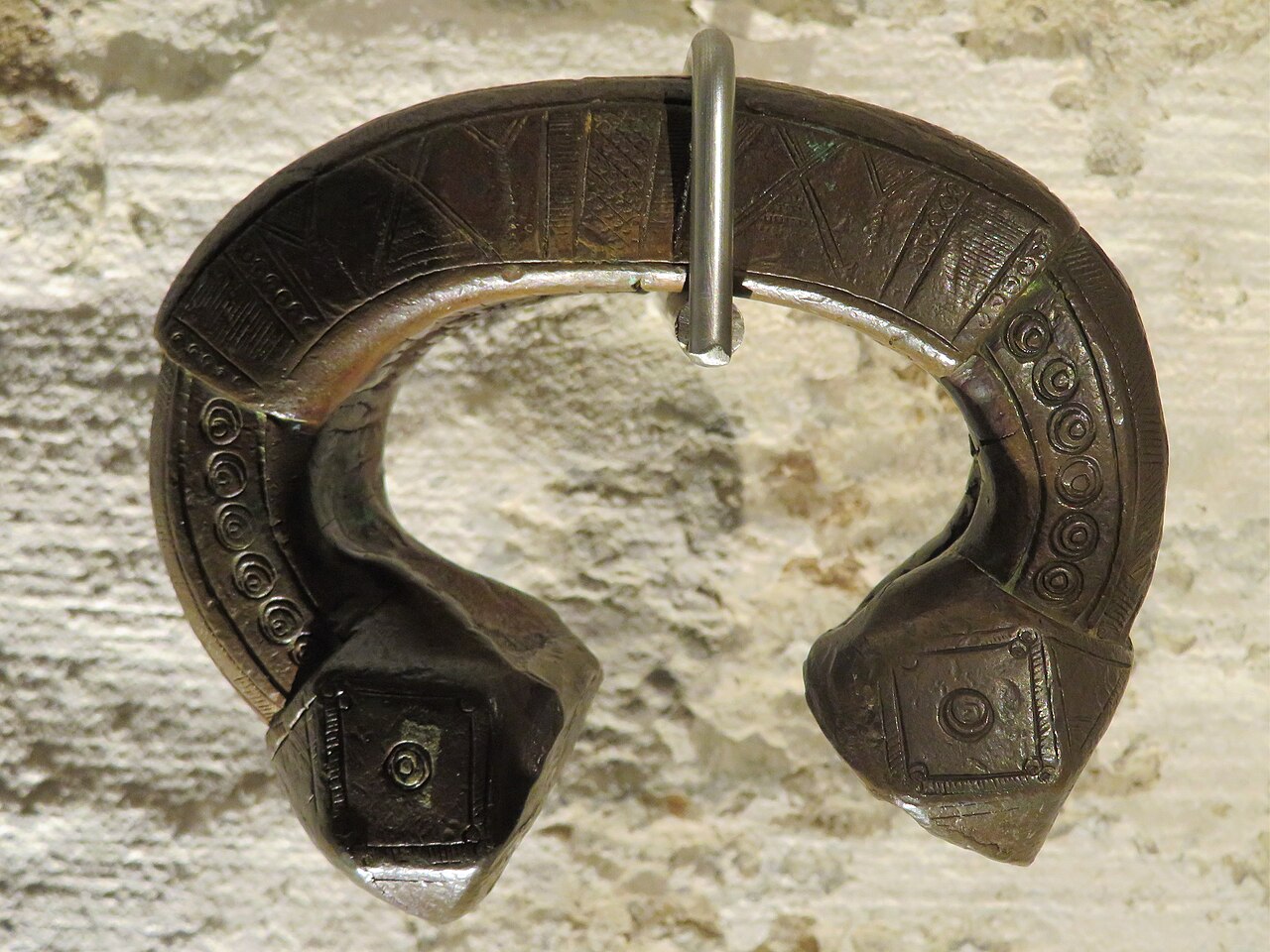 Havmanden wreck: a luxury shoe and manillas on the Danish ship of the 1683 mutiny